Summer 2026 Research Opportunities
The Dominguez Center for Data Science is currently accepting applications for several data-oriented summer research opportunities in the summer of 2026.
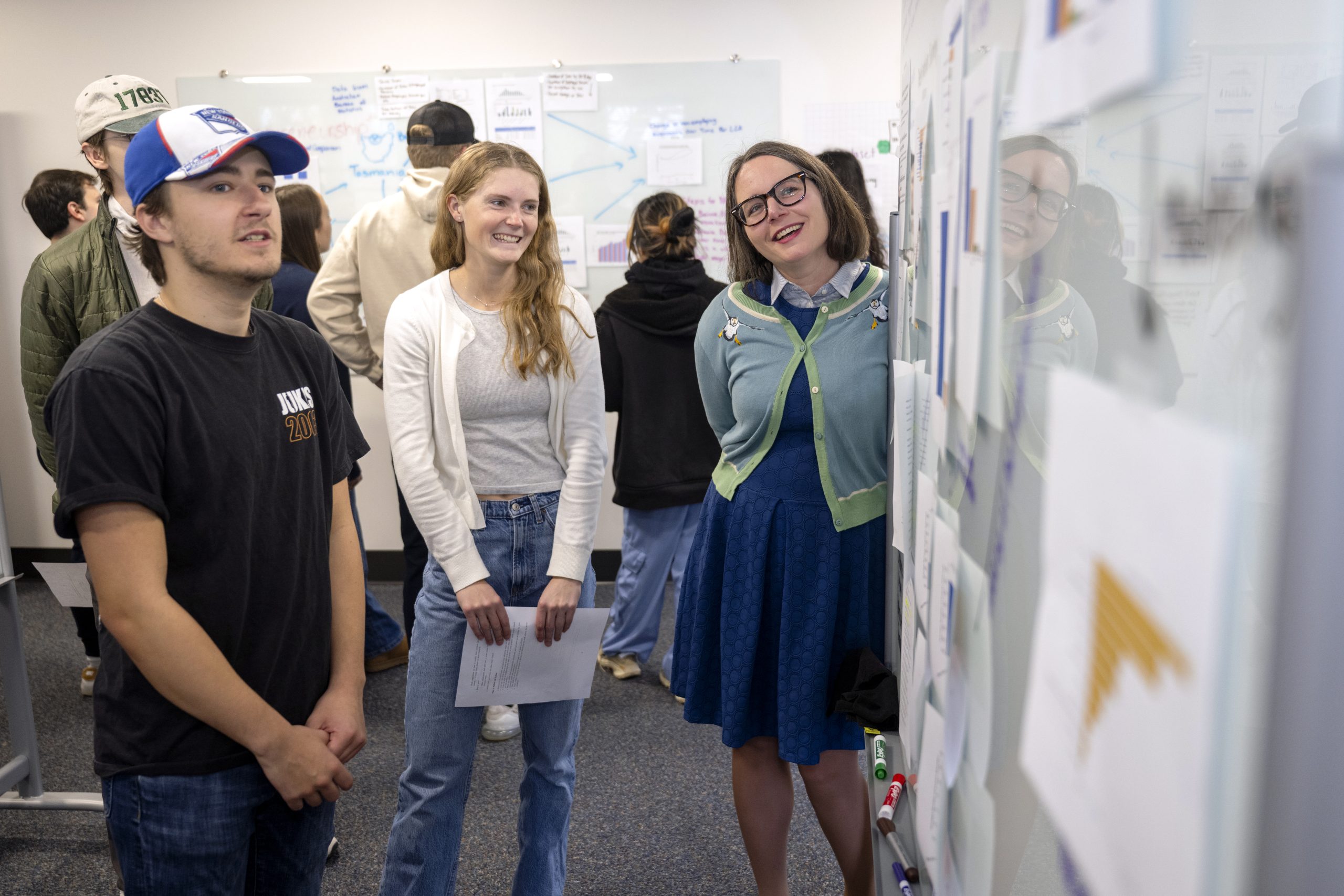
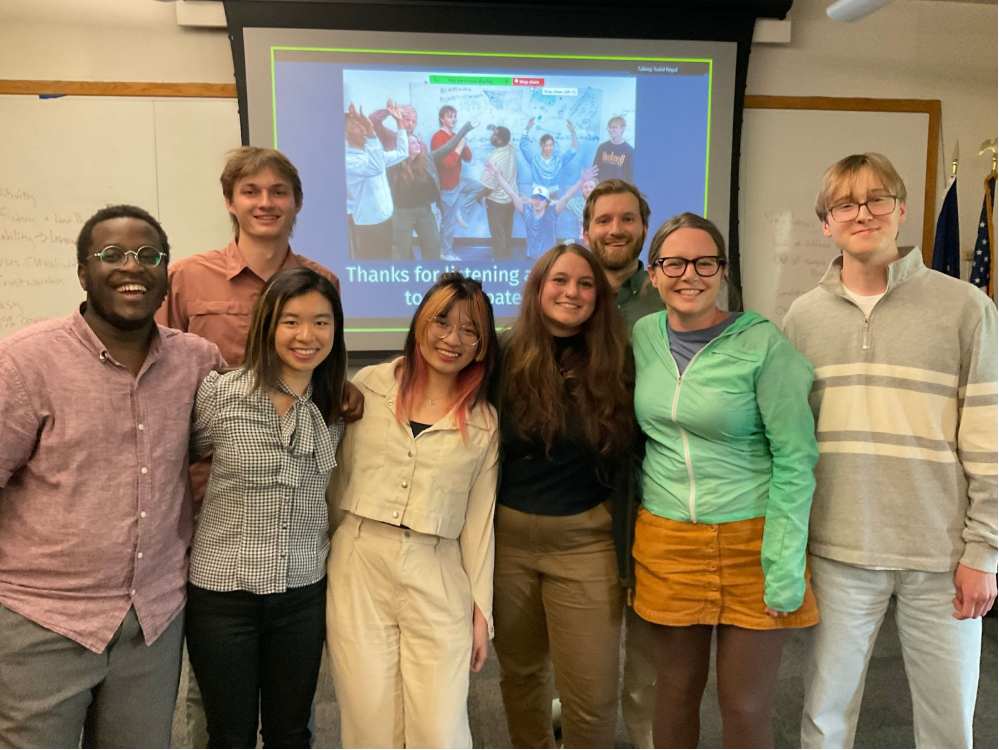
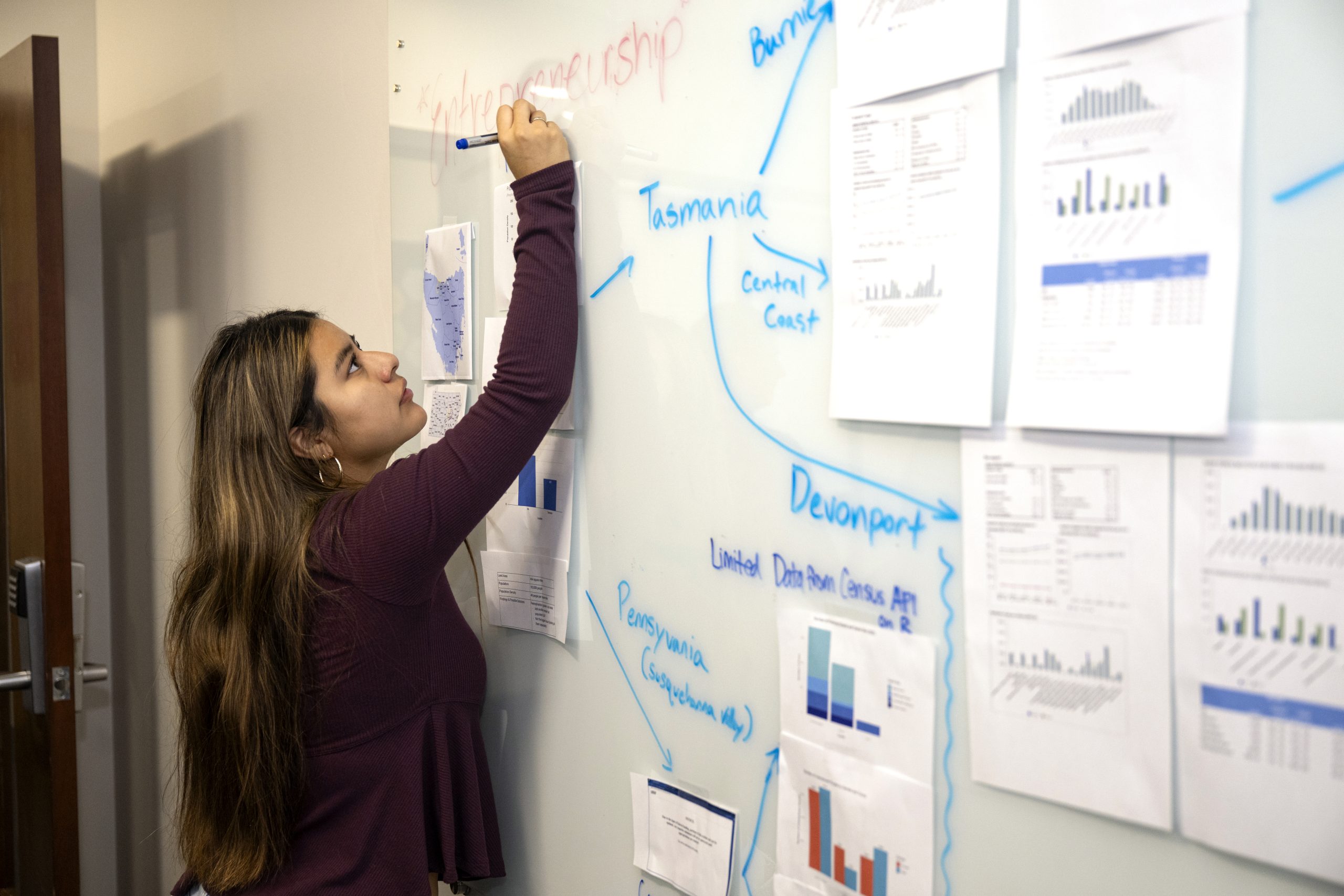
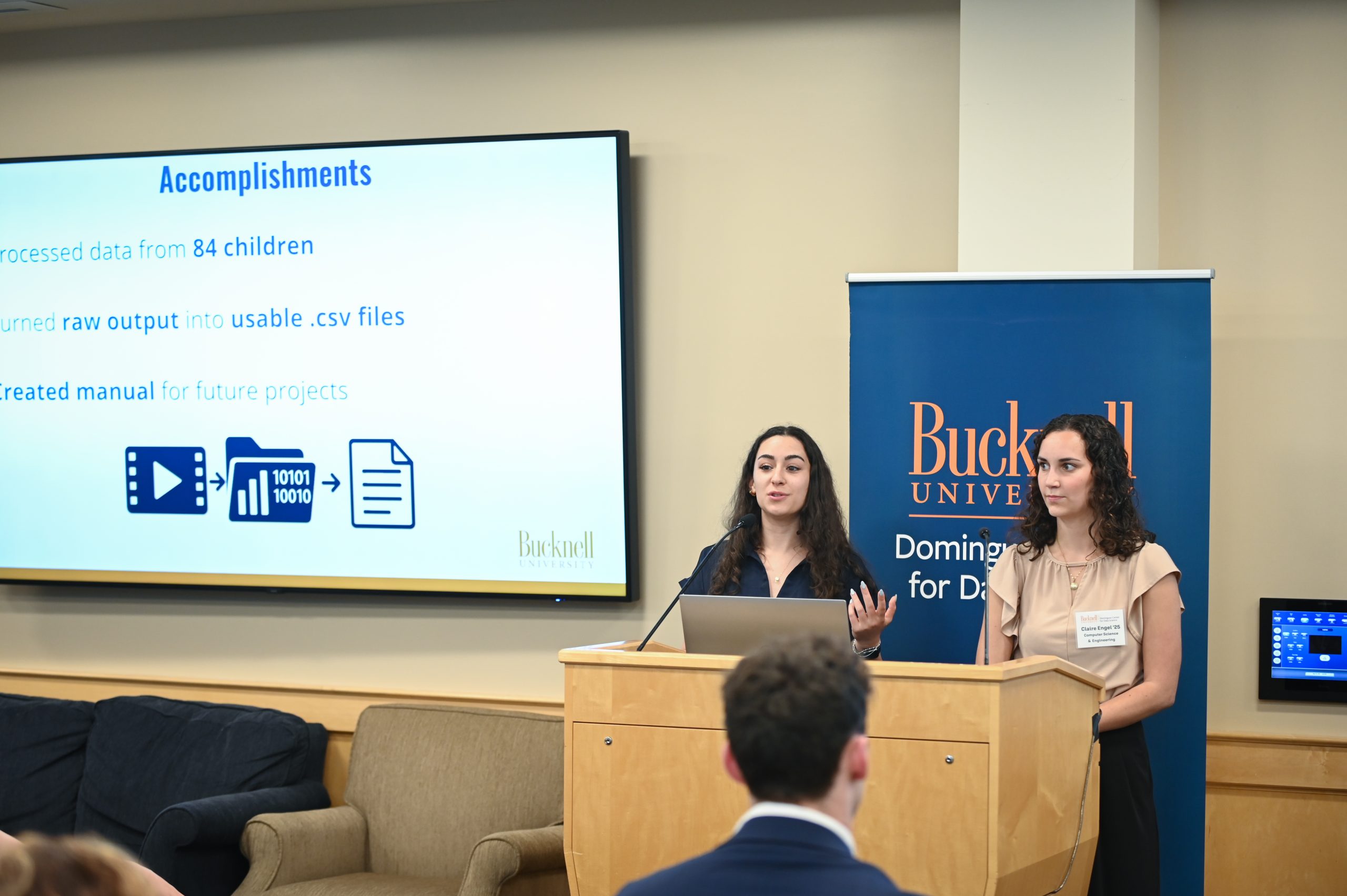
Participating in a summer research experience is a great way to develop your data science skills, to practice communicating with data, to strengthen your sense of belonging in the field of data science, to prepare for your future career or graduate school work, and to have a bunch of fun! This summer, the DCDS research teams will be exploring and analyzing data related to food insecurity in our community, data science and statistics programs at small liberal arts colleges, and forest trends in the US. Students from all majors are encouraged to apply. For the 2026 summer, the research will be conducted at Bucknell University or Reed College. Details about the programs are given below.
At Bucknell University, DCDS
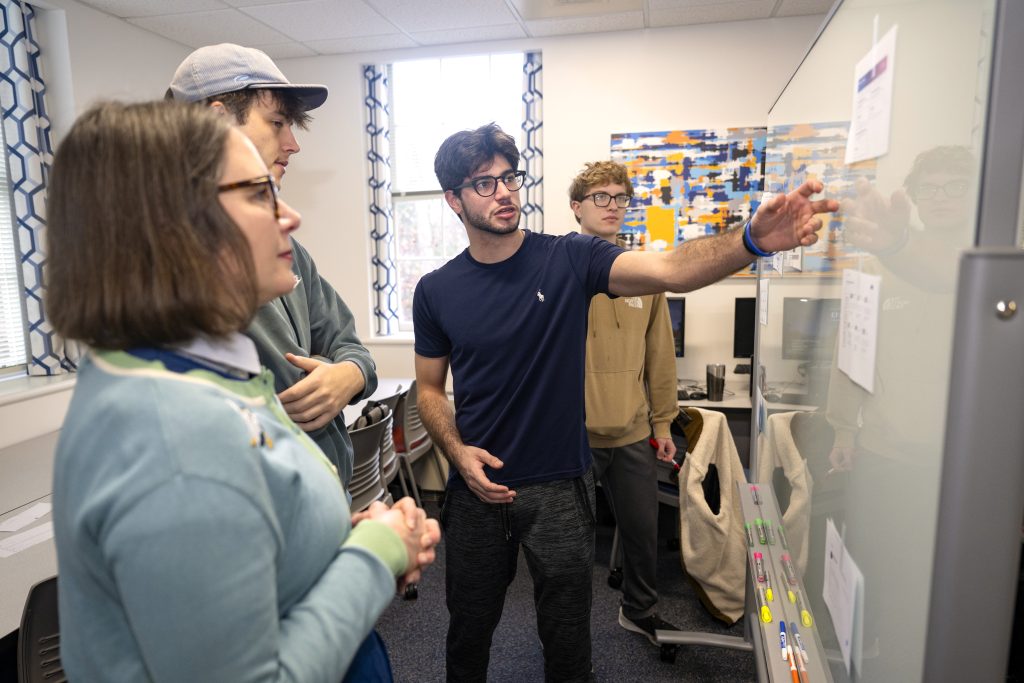
In the Dominguez Center for Data Science, we will be undertaking two research projects over an eight week period, from May 26th to July 17th:
Mapping food insecurity in Union, Snyder, and Northumberland counties
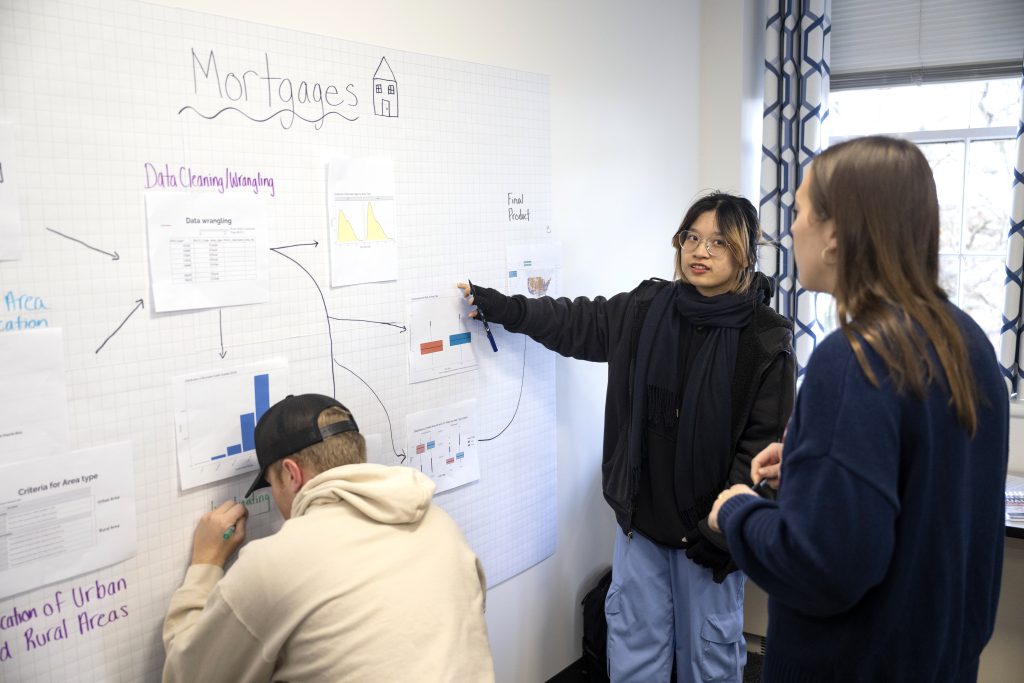
In collaboration with the Center for Community Engaged Leadership, Learning & Research and the Union-Synder Community Action Agency Food Hub, this research team will study food insecurity in our local communities. This project will involve collecting data at local food pantries and then exploring the data to better the distribution and experience of food insecurity in the area. This work will support local efforts to increase food security in the central Susquehanna Valley.
Trends in data science & statistics at small liberal arts colleges
In collaboration with Macalester College and Vassar College, this research team will explore the landscape of statistics & data science education at liberal arts colleges in the U.S., and will compare these findings to a 2003 analysis. They will also compile and create an open access dataset to share with the data science education community. A primary goal of this work is to give faculty at colleges across the country useful data stories that will help them advocate for greater support of their statistics and data science programs.
Eligibility: All full-time, undergraduate Bucknell students in all disciplines are eligible to apply. Awards are not available for the summer following the senior year.
Award: Research fellows will be paid $4,000 for full-time work, which is subject to both income tax and FICA tax withholding. Those who opt to live in university housing will be paid an additional $100 per week to cover the full cost of housing during the research period.
Requirements: Students are expected to work full-time and collaboratively on their research. Most of the work will be conducted in the Center (Taylor Hall 212) and so students are expected to be on-campus for the duration of the program. The food insecurity project will also require some off-site work with the Food Hub and the team will be provided transportation. In addition, students will produce the relevant project deliverables, present their work to their project stakeholders, and participate in the annual Kalman Research Symposium to be held in Spring 2027.
At Bucknell University, Tensor Research
Tensors are high-dimensional grids of data that arise in many academic fields, such as mathematics, statistics, physics, engineering, and also in industry settings ranging from medicine to commerce. Tensor methods—which are extensions of tools learned in linear algebra—can be applied to problems in quantum information, data compression, and outlier and threat detection.
Supported by funding from the National Science Foundation, the Dominguez Center for Data Science is accepting applications for up to two students to work with Prof. Peter Brooksbank on research with tensors. There are several possible directions for this research depending on your preparation and interests, but having some knowledge of linear algebra, and an interest in computation is essential. If you would like information about possible projects before applying you can contact Prof. Brooksbank by email (pbrooksb@bucknell.edu).
Students participating in this research opportunity will be affiliated with the Dominguez Center for Data Science and will have regular interactions with other students doing research on projects through the center. In particular, they will benefit from having a community of data-focused researchers around them. They will develop data science skills that prepare them for future careers and/or for graduate school. They will of course also have a lot of fun!
Eligibility: All full-time, undergraduate Bucknell students in all disciplines are eligible to apply. Awards are not available for the summer following the senior year. You will need some knowledge of linear algebra and an interest in computation to participate in this research project.
Award: Research fellows will be paid $4,000 for full-time work, which is subject to both income tax and FICA tax withholding. Those who opt to live in university housing will be paid an additional $100 per week to cover the full cost of housing during the research period.
Requirements: Students are expected to work full-time and collaboratively on their research. This eight week program will run from June 8th to July 31st and students are expected to be on-campus during that time.
At Reed College
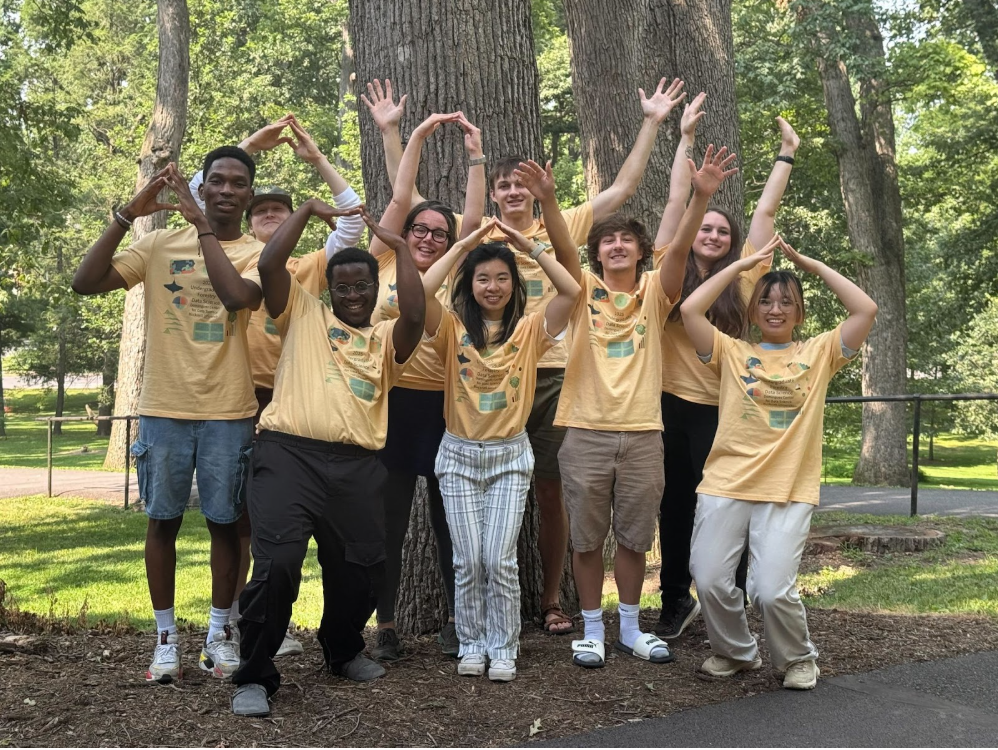
The Undergraduate Forestry Data Science (UFDS) program is a joint collaboration between the US Forest Service Rocky Mountain Research Station, Forest Inventory and Analysis Program, Bucknell University, and Reed College that engages undergraduate students with authentically motivated research questions in statistics, data science, and forestry. In summer 2026, the UFDS program will be held at Reed College from June 1st to August 7th, but in the past the program has taken place at Whitman College, Swarthmore College, Reed College, Harvard University, and Bucknell University. Visit the UFDS website for more details.
Eligibility: All full-time, undergraduate Bucknell students in all disciplines are eligible to apply. Awards are not available for the summer following the senior year. The projects will vary in terms of the computational and statistical skills needed, but each research fellow should have prior experience coding in R and building statistical models. Useful courses to have taken include an intro stats course, a coding course, and a modeling course. If you haven’t taken these sorts of courses, you are still encouraged to apply but should address your level of proficiency in R and your experience with statistical modeling in your application. If you don’t have prior experience in R but can code in another language (such as Python), make sure to mention this in your application. Those who are new to R will be expected to learn and use R during UFDS.
Award: For this ten-week program, research fellows will be paid $6,600 for full-time work, which is subject to both income tax and FICA tax withholding. Housing is not included. Selected research fellows will be provided useful sites for finding housing options.
Requirements: Students are expected to work full-time and collaboratively on their research. The work will be conducted at Reed College and so students are expected to live near Reed’s campus in Portland, Oregon. The last week of the fellowship is remote-eligible. In addition, students will produce the relevant project deliverables, present their work to their project stakeholders, and participate in the annual Kalman Research Symposium to be held in Spring 2027.